

-
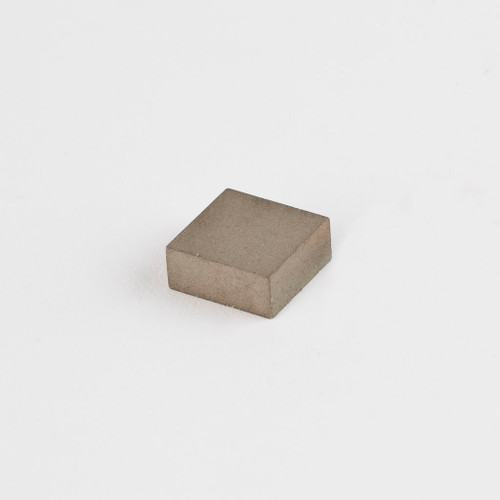
Samarium Cobalt Block Magnets
Powerful samarium cobalt block magnets pack high magnetic strength into a compact package—all while offering superior resistance to heat and corrosion. Samarium cobalt magnets are capable of performing at temperatures of up to 300°C, or 572°F. Due to their high resistance to corrosion, they are a great pick for highly corrosive environments, such as open ocean settings where magnets are exposed to saltwater. In comparison to ceramic and alnico magnets, samarium cobalt magnets provide superior strength in a compact package. Samarium cobalt magnets are commonly used in automotive applications, commercial and defense aircraft applications, industrial settings, and electronics.
-
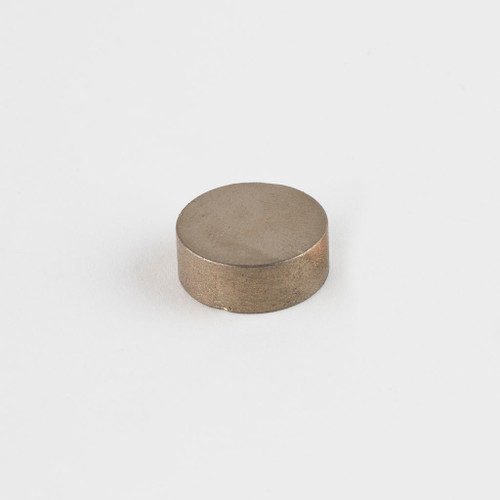
Samarium Cobalt Disc Magnets
Samarium cobalt disc magnets are powerful rare earth magnets that offer superior resistance to heat and corrosion. A samarium cobalt magnet can perform at temperatures of up to 300°C, or 572°F. Their resistance to corrosion makes them a great choice for use in highly corrosive environments, such as on boats where magnets are exposed to saltwater. Samarium cobalt magnets offer superior magnetic strength in comparison to ceramic and alnico magnets, and are commonly used in high-tech applications such as electronics, computers, and switches. They are also often used in automotive “under-the-hood” applications, commercial and military aircraft, and many other intense applications.
Samarium Cobalt Magnets
BuyMagnets.com offers a huge selection of samarium cobalt magnets, a type of rare earth magnet with some unique advantages compared to slightly stronger neodymium magnets. Samarium cobalt magnets work over a wider temperature range, have superior temperature coefficients, and have excellent resistance to corrosion. Because of their corrosion resistance, they often do not need to be plated. Samarium cobalt magnets still deliver exceptionally high magnetic strength, making them an excellent choice for punishing environments where high temperatures or corrosive elements (such as saltwater) are present.